
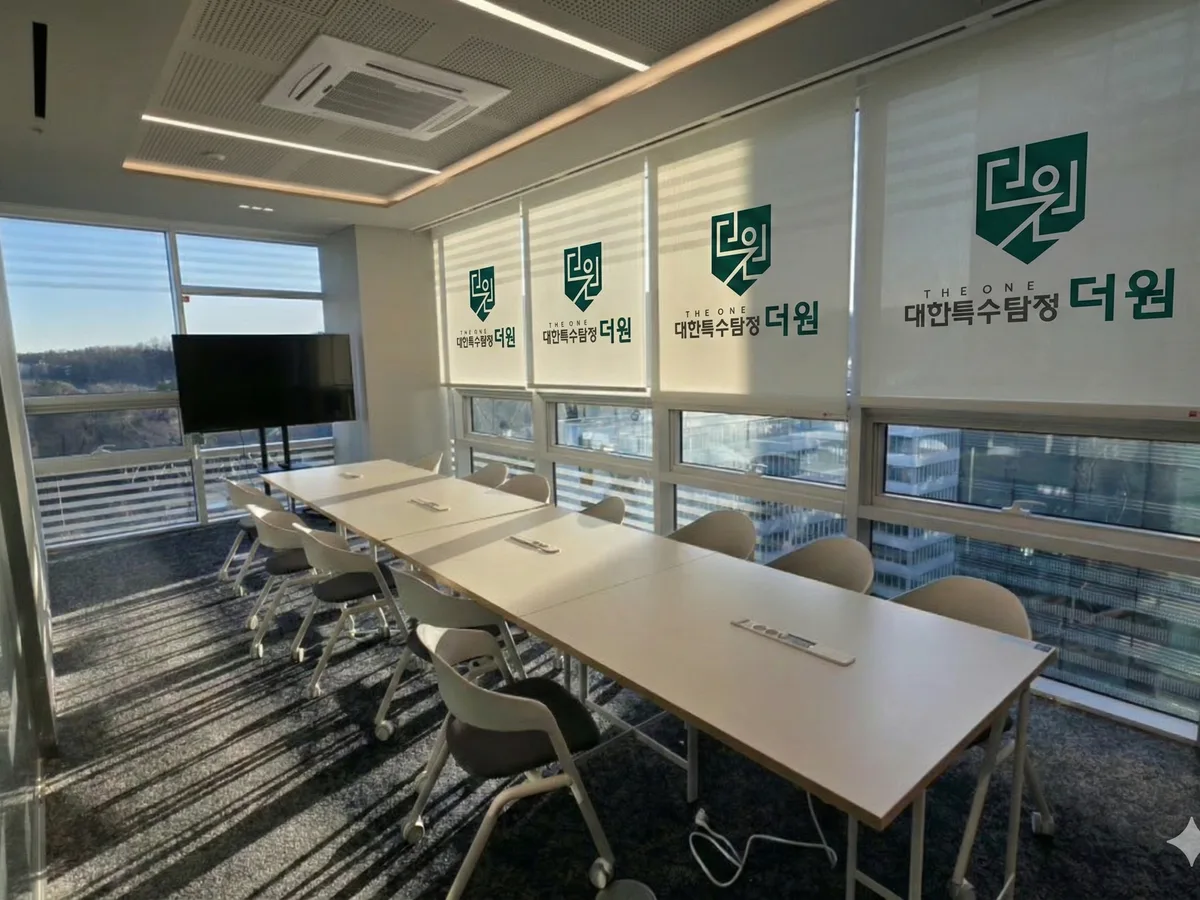
Corporate Risk Management Team
Registered in the US federal procurement system through our Montana entity, this team delivers corporate security consulting and works in partnership with government bodies and major law firms.
Corporate and global intelligence
Documented facts that a board can act on: internal misconduct, counterparty verification, intellectual property infringement and pre-acquisition risk, gathered lawfully and reported to intelligence community analytic standards.
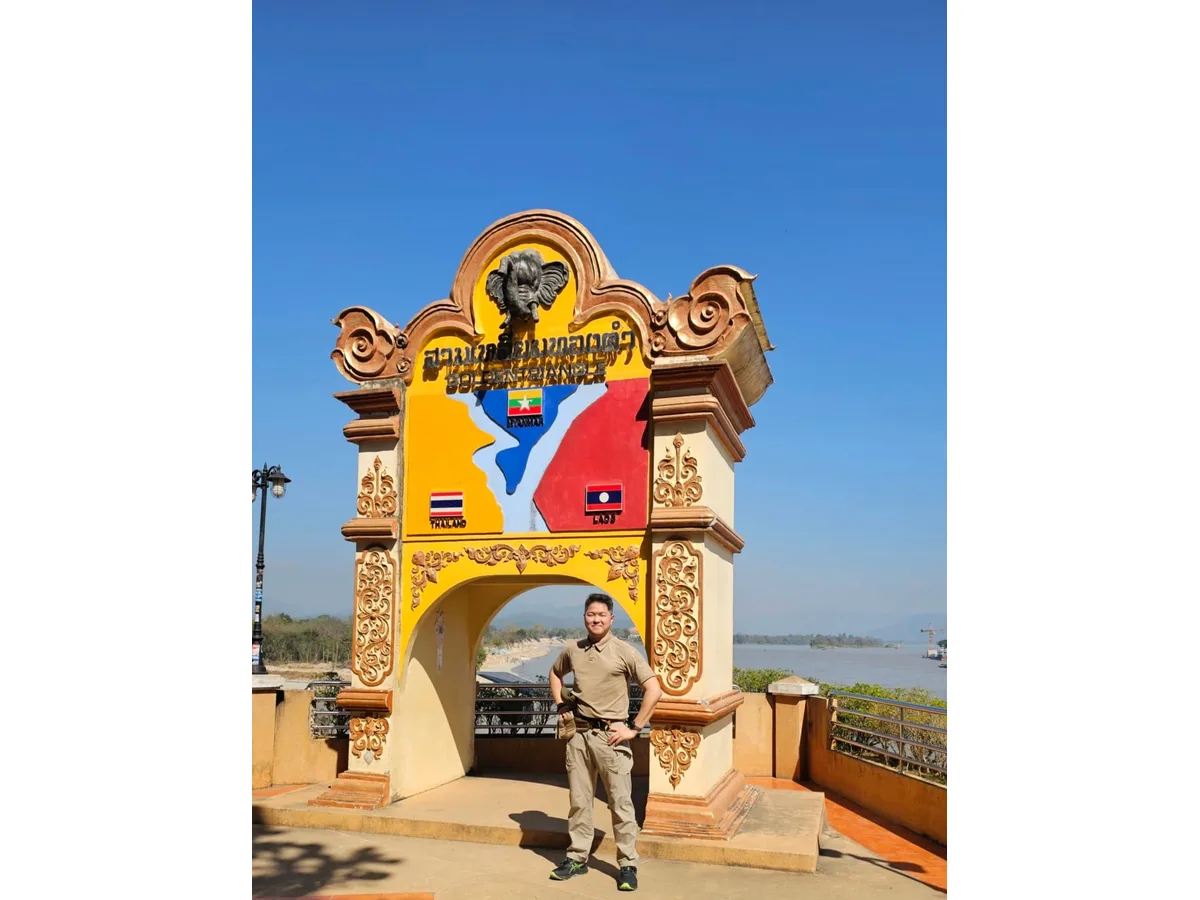
Most corporate problems arrive without enough facts to act on. A manager suspects that designs are leaving the building. A distributor's numbers stop making sense. A prospective partner looks credible on paper and unverifiable in person. None of that is yet a case a prosecutor would take.
Our work sits in that gap. We establish what is actually happening, document it in a form that survives challenge, and give management something firmer than suspicion to decide on — whether the decision is to discipline, to litigate, to refer the matter to the authorities, or to walk away from a deal.
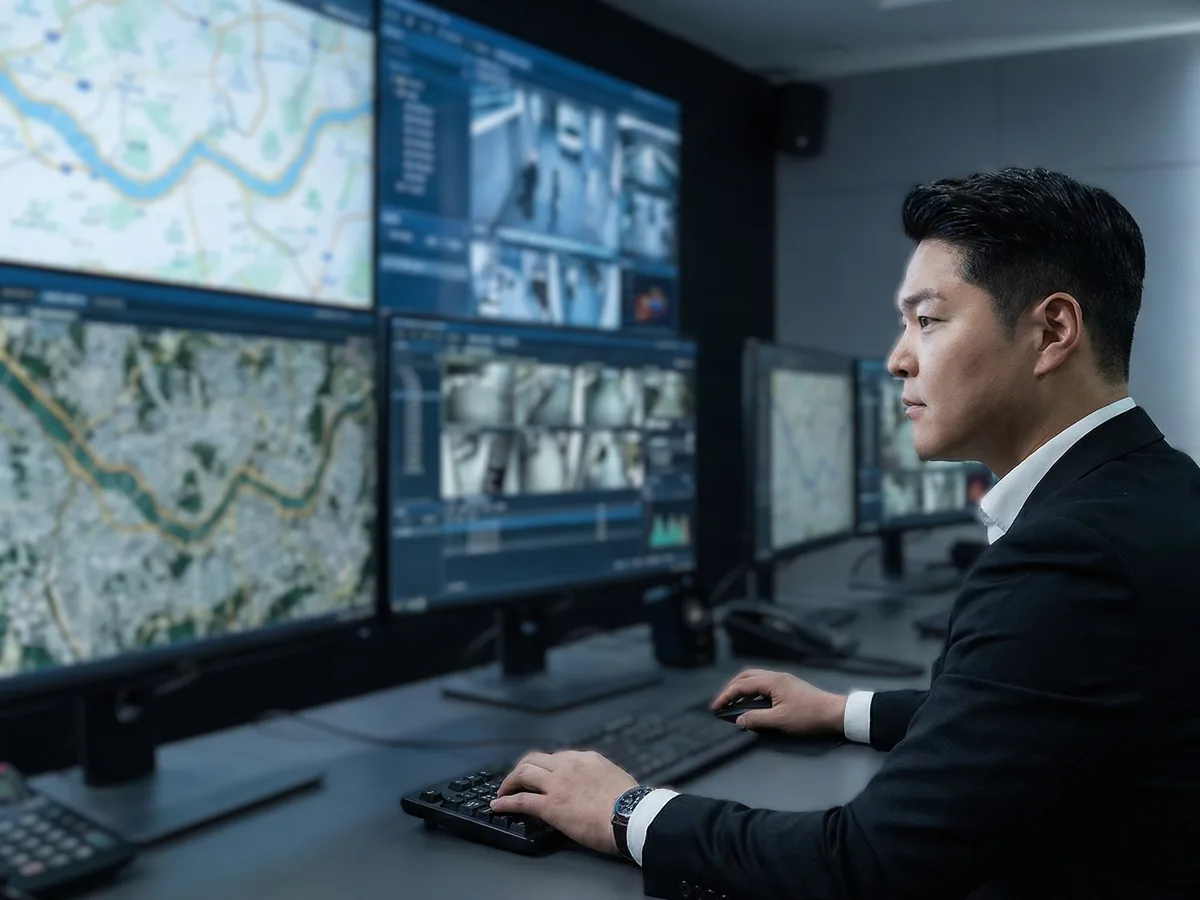
Findings are tested against intelligence community analytic standards rather than delivered as impressions.
Rumour is worthless in a business decision, and an investigator who cannot distinguish a confirmed fact from a plausible one is worse than none. We apply United States intelligence community standards and military analytic methodology so that the client can see exactly how much weight each finding carries.
6×6 source reliability matrix
Every source is graded on a six-point scale for reliability and a six-point scale for the credibility of the specific information, so a single strong-sounding claim from a weak source cannot masquerade as fact.
ICD 203 confidence assessment
Analysts state likelihood using the standard vocabulary of the US Intelligence Community Directive 203, which removes the ambiguity of phrases like "probably" and makes the report defensible when it is read by a lawyer or a court.
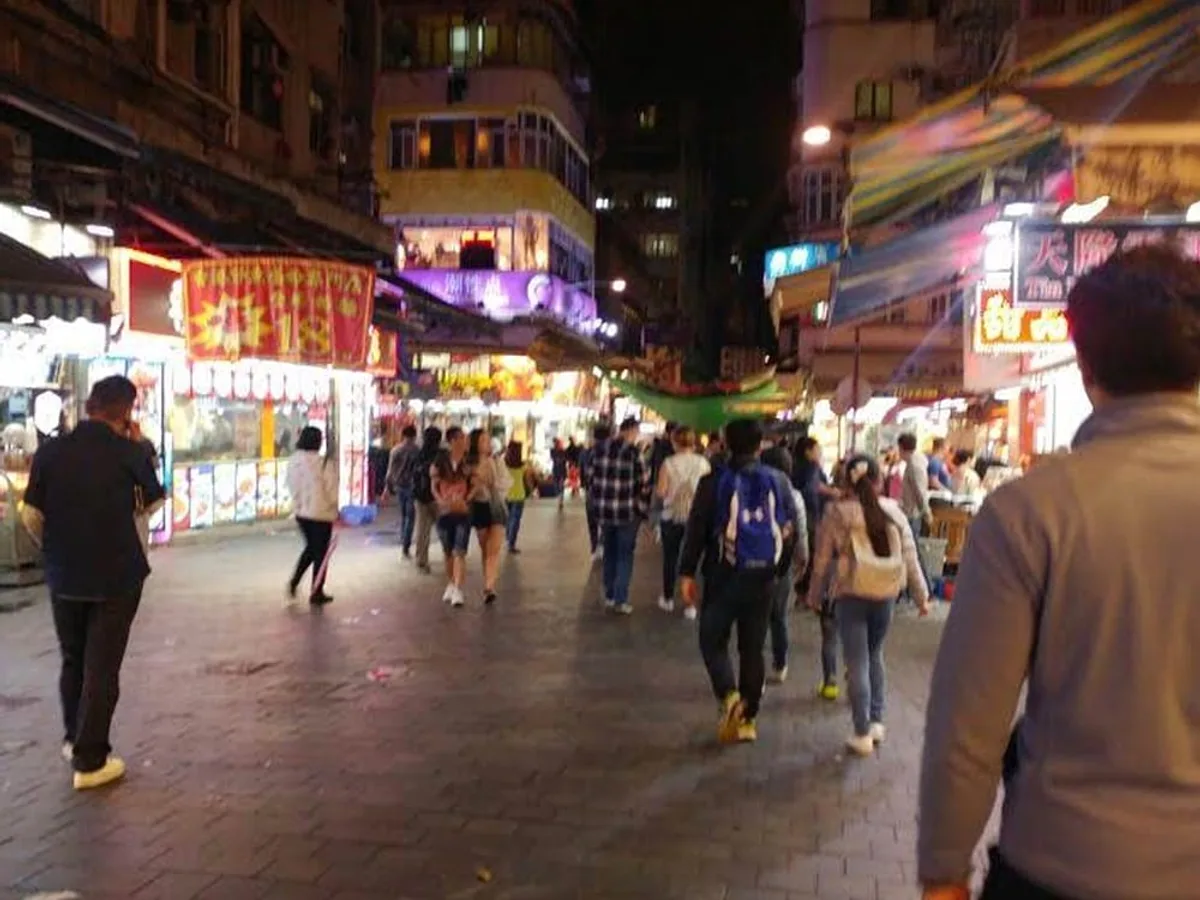
A Korean company can rarely prove infringement from Korea. The manufacture, the market stall and the freight route are somewhere else, and without people on the ground in those places the file stays empty.
We run trademark and counterfeit work directly in the Guangzhou, Zhanxilu, Guihuagang and Yiwu markets, and trace the routes infringing goods take from mainland China into Hong Kong and onward. Where an overseas factory or market is the source of the loss, that is where the evidence has to be collected.
We have also delivered training to large Korean and state-owned enterprises on the seriousness of personnel and technology leakage abroad and on trademark infringement, which is the same problem seen from the prevention side.
Registered in the US federal procurement system through our Montana entity, this team delivers corporate security consulting and works in partnership with government bodies and major law firms.
Close protection planning for senior figures, due diligence on latent risk in mergers and acquisitions, and security advisory and specialist investigation for public institutions and local authorities.

Working from our own US and Thai entities, this team runs the parts of a corporate case that fall outside Korea, without passing the work to brokers. See overseas investigation.

Veteran investigators and field operatives from military and police backgrounds, gathering the evidence needed in Korean civil and criminal proceedings.
The boundaries below are set by Korean law, not by internal policy. An agency that offers to cross them is offering to make its client a party to an offence.
| Objective | Lawful approach | What we will not do |
|---|---|---|
| Establishing whether an employee is leaking information | Observation in public and shared workplace areas, open-source analysis, interviews, examination of company-owned records with the company's authority | Installing spyware on a personal device, or obtaining the employee's private communications records |
| Tracking movement of goods or people | Physical surveillance in public places, vehicle-mounted observation, documented photography | Attaching a GPS tracker to a vehicle without the owner's consent, which breaches the Location Information Act |
| Verifying an overseas counterparty | Site visits and enquiry through our own licensed entity in that country, public registry and open-source checks | Subcontracting to an unverified local broker whose methods cannot be accounted for |
| Understanding a target's finances | Public filings, registry records, observable commercial activity | Obtaining bank or telecommunications records, which breaches the Personal Information Protection Act |
| Detecting surveillance against the company | Technical sweeps for interception equipment and hidden cameras under Ministry of Science and ICT permit No. 90 | Sweeping without the permit, which a surprising number of firms do |
The reason for the right-hand column is practical as well as ethical. Material obtained unlawfully is inadmissible, so it cannot support the very decision it was gathered for, and under the Protection of Communications Secrets Act and the Location Information Act the client who commissioned it can be prosecuted alongside the investigator.
A written investigation report setting out what was established, how it was established, and how much confidence attaches to each finding. Sources are graded, dates and locations are recorded, and photographic material is presented with the circumstances of its capture. The report is written on the assumption that it will be read by an opposing lawyer.
On closure, case material is destroyed. We carry personal information protection liability insurance with KB Insurance, and operate a client information security process modelled on military practice.
Initial consultation is free and covered by confidentiality from the first conversation.
Call +82-1800-7257 Message on WhatsApp