
Family matters we handle
- Divorce evidence
- Documentation of marital infidelity collected so that it is admissible in a Korean court
- Custody disputes
- Material on a child's actual living conditions and care, for use in custody proceedings
- Pre-marriage verification
- Lawful confirmation of what a prospective spouse has represented about themselves
- Stalking and dating violence
- Fact-finding and personal protection under the Stalking Punishment Act, carried out under security licence No. 2305
- Transnational families
- Cases where a spouse or child is in another country, including families split between Korea and the United States
- Languages
- English and Spanish on WhatsApp, Japanese on LINE, Chinese on WeChat
- Confidentiality
- Military-grade client information process, liability insurance with KB Insurance, case data destroyed on closure
Proof, not certainty

Knowing is not the same as being able to show it
By the time someone contacts us about a marriage, they usually already believe they know what is happening. What they do not have is anything a court will look at.
Korean courts assess not only what evidence shows but how it was obtained. A recording made by intercepting a conversation, a location history pulled from a tracker fixed to a car, a message thread taken from a phone that was not yours to open — these do not become admissible because the underlying suspicion turned out to be correct. They are excluded, and the person who commissioned them can be prosecuted.
The work, then, is narrower and more disciplined than people expect: establishing the same facts by means that hold up. Observation and photography in public places, documented movement, and a written record that makes clear when and where each element was captured.
- Matters that are hard to discuss. Concerns you would struggle to raise even with close friends, handled by someone whose job it is.
- Establishing the truth in a marriage. Ending the damage that uncertainty does, and re-establishing the relationship on the basis of documented fact — which sometimes means confirming that nothing is wrong.
- Conflict within the wider family. Understanding what is actually happening between children, parents and relatives.
- Verification before a major decision. Lawful assistance in removing uncertainty ahead of a marriage or similar commitment.
- A transparent process. From consultation to final report, the client sees every stage, and confidentiality is absolute.
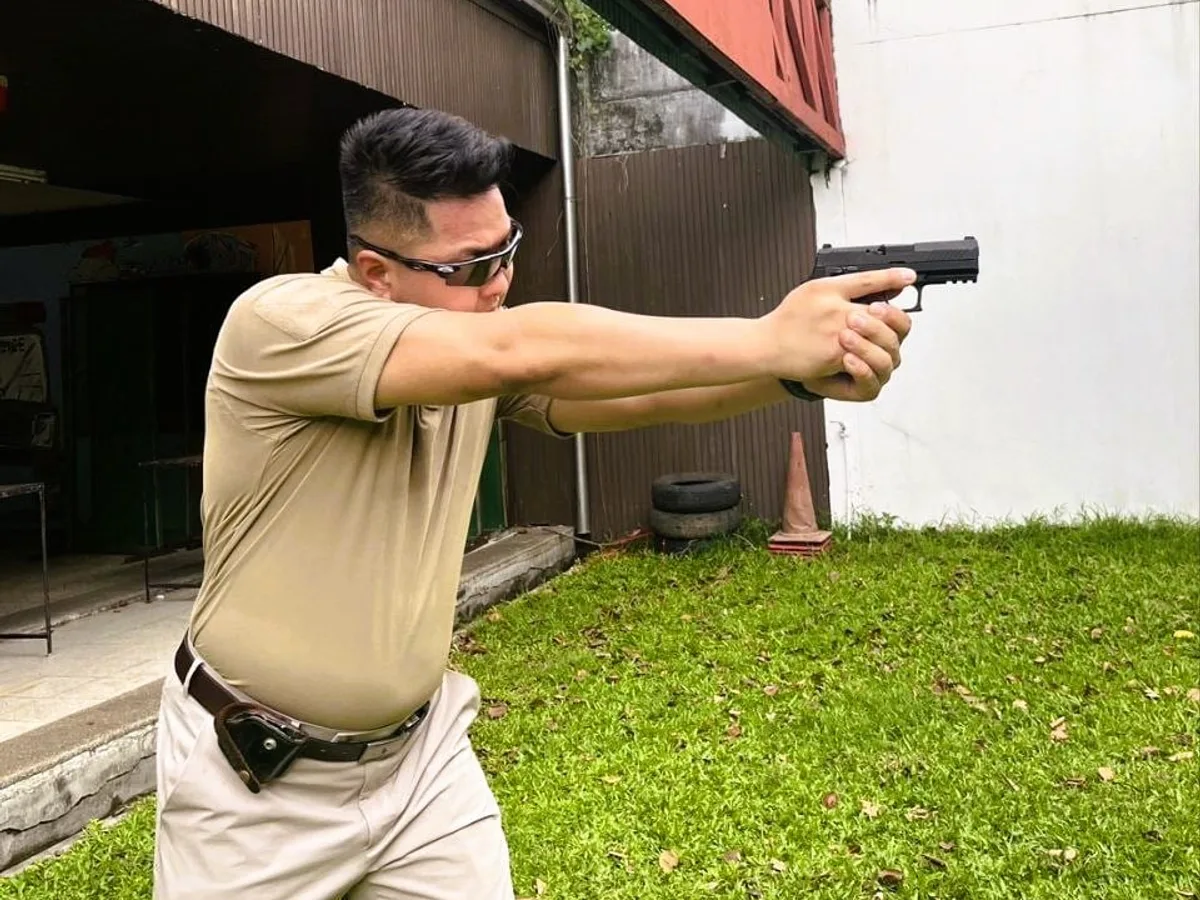
When the problem is safety, not proof
Stalking and dating violence are a different kind of case, and the response has to be too. Fact-finding matters, but so does the person's actual safety while the facts are being established.
Personal protection is regulated separately in South Korea: only a firm holding a security business licence may lawfully provide it. KSPD THE ONE holds close protection and facility security licence No. 2305 from the Gyeonggi Nambu Provincial Police Agency, which means the investigation and the protection can be handled by the same firm instead of being split between an agency and whoever it can find.
- Fact-finding and protection in dating violence, domestic violence and stalking cases under the Stalking Punishment Act
- A single end-to-end process aimed at resolving the situation rather than containing it
- Prevention of premeditated offences, and response to school violence
- Specialist consultation by field, with follow-up after the case closes
If you are in immediate danger, call the Korean emergency number 112 first. Our 24-hour line for family and personal safety matters is +82-10-8267-0857.
For foreign residents and international families
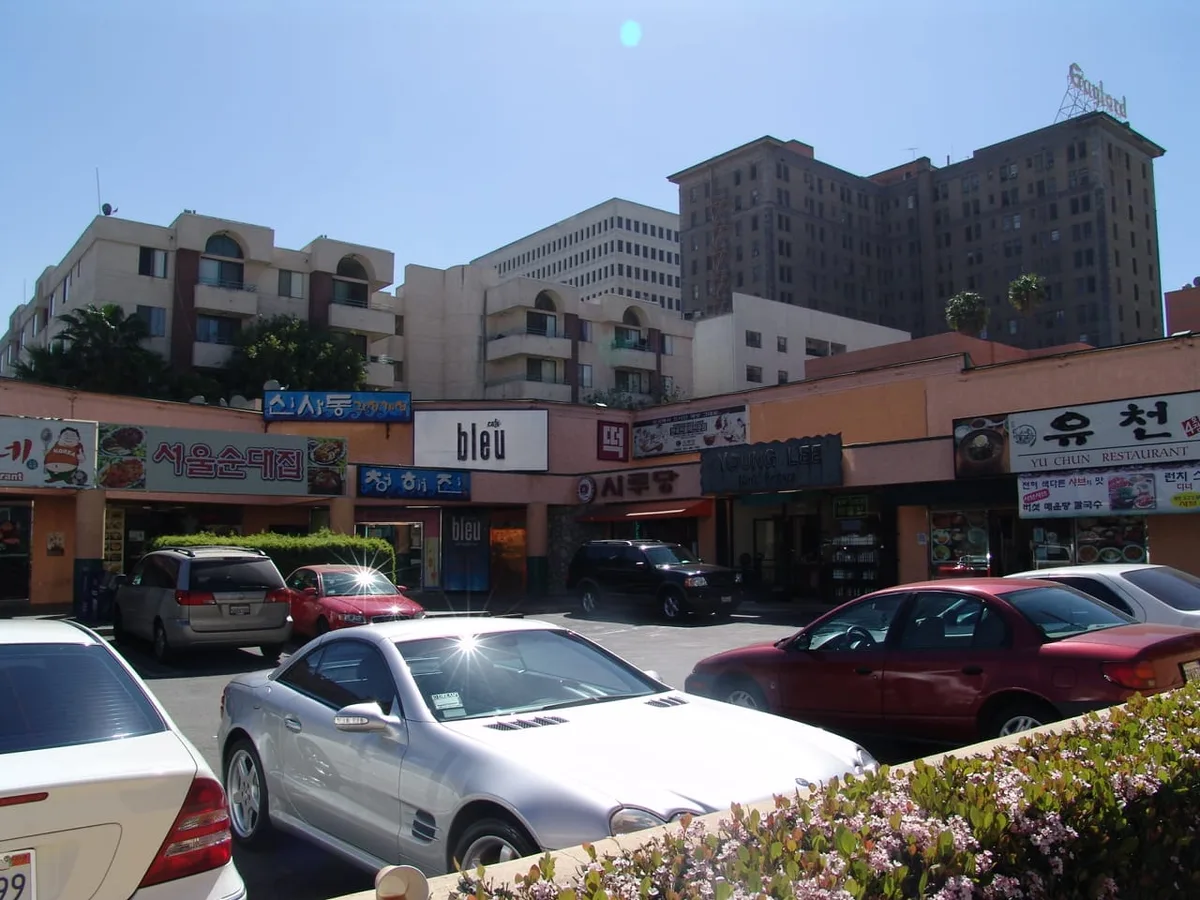
Two jurisdictions, one case
A marriage that spans two countries produces a problem neither country's agencies handle well on their own. The events may be in Seoul while the proceedings are abroad, or the reverse. Evidence gathered in one place has to be usable in the other.
We have run this kind of case for years, including for Korean families separated for a child's education — one spouse in Korea, the other and the children in the United States. That work covers Korean-American areas such as Los Angeles, Orange County and Irvine, handled through our own US entity rather than a referral.
For foreign residents in Korea, the practical obstacles are usually language and unfamiliarity with what Korean law permits. Consultations run in English and Spanish on WhatsApp, Japanese on LINE and Chinese on WeChat, and the engagement can be arranged and paid for without a Korean bank account, through Stripe.
What is and is not permitted
This distinction decides whether your evidence is usable. It is worth reading before instructing anyone, here or elsewhere.
| What you want to establish | Lawful method | Unlawful, and inadmissible |
|---|---|---|
| Where a spouse goes, and with whom | Observation and photography in public places; documented vehicle surveillance | Fixing a GPS tracker to their vehicle without consent (Location Information Act) |
| What is said in a private conversation | Nothing lawful covers this unless you are a party to it | Intercepting a call or planting a listening device (Protection of Communications Secrets Act) |
| Message history and contacts | Material you already lawfully possess | Installing spyware on their phone, or accessing an account without authorisation |
| Financial position | Public records, and disclosure ordered through the proceedings | Obtaining bank records through a third party (Personal Information Protection Act) |
| A person's whereabouts | Lawful enquiry and open-source analysis | Obtaining their location from a telecommunications provider |
We decline requests in the right-hand column at the intake stage. That is not an abundance of caution: unlawfully obtained material cannot be used in the proceedings it was gathered for, and commissioning it exposes the client to prosecution. An agency willing to accept such an instruction is not protecting you.
How a family case usually runs
A first consultation establishes what you actually need to prove and whether it can be proved lawfully. If it can, you receive a written quote covering scope, duration and cost before anything begins. Fieldwork is reported as it proceeds rather than only at the end, so you are not waiting in silence. The final report is written to be read by a lawyer, and on closure the case material is destroyed.
Costs are built from a retainer plus expenses, with a success fee only where it has been agreed in writing in advance. There is more detail in the hiring guide.
Nothing you tell us leaves the firm, whether or not you go ahead.
Message on WhatsApp Call +82-1800-7257